
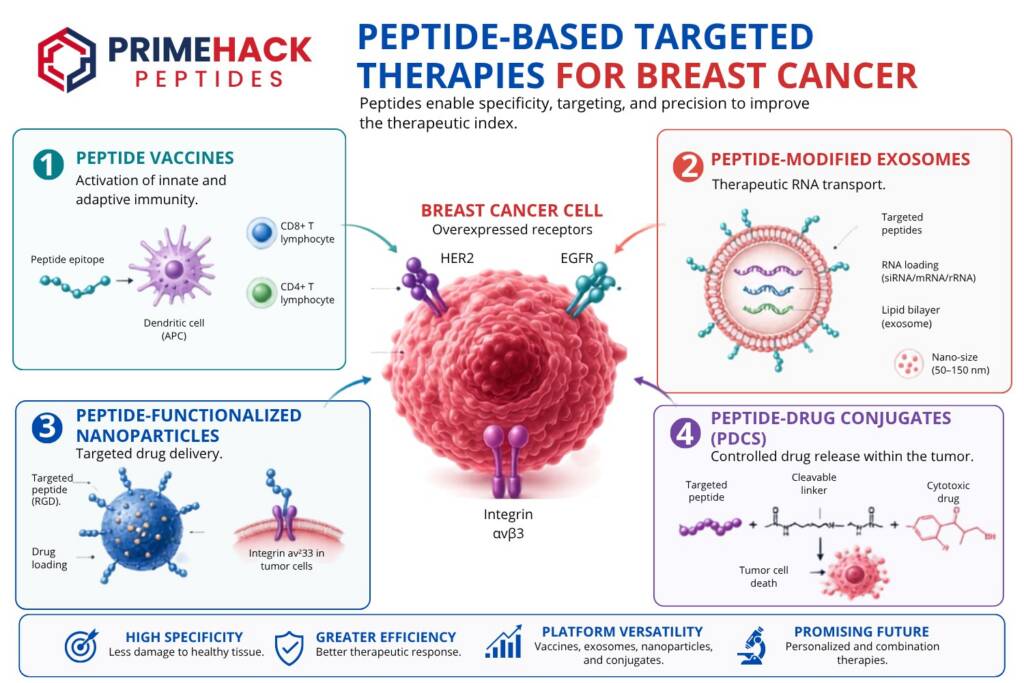
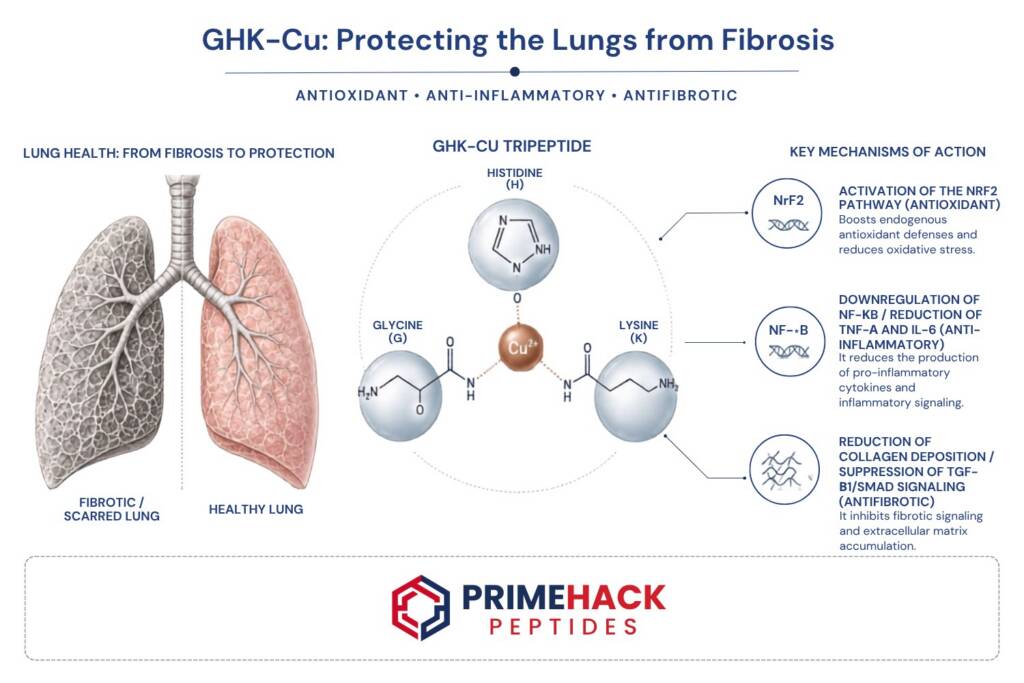
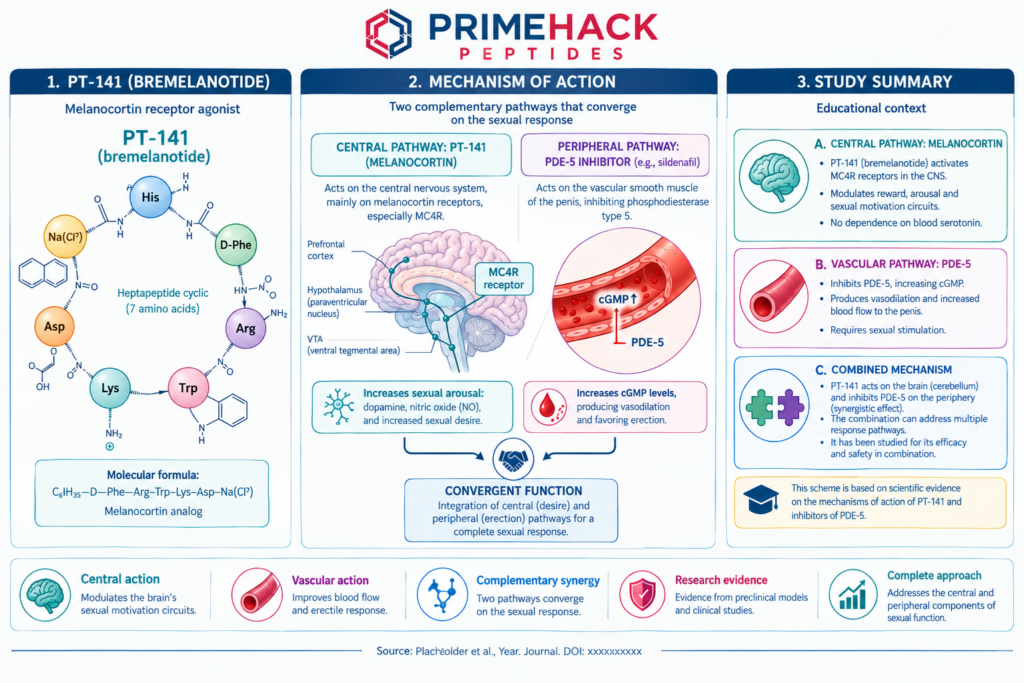

Peptide-Based Targeted Therapies for Breast Cancer
Peptides have become key tools in precision oncology: specific, low in immunogenicity, and modularly designed. This infographic summarizes the four platforms redefining the field: peptide vaccines, engineered exosomes, functionalized nanoparticles, and peptide-drug conjugates (PDCs).
They do not compete—they complement each other. Each fits a distinct need based on subtype, target receptor, and clinical context, paving the way for more personalized and combined therapies.
Full review at the link:
https://www.sciencedirect.com/science/article/pii/S0753332226007432
Tesamorelin: Mechanism of Action and Metabolic Benefits
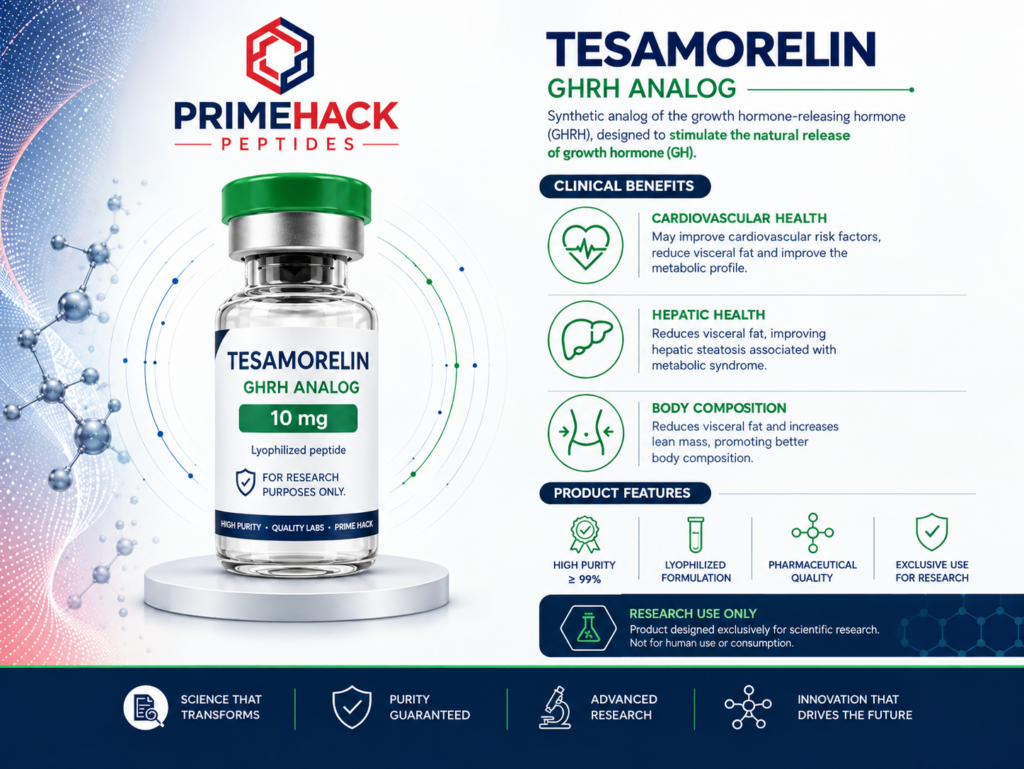
Tesamorelin is a GHRH analog that binds to receptors in the anterior pituitary gland and stimulates the pulsatile release of endogenous growth hormone (GH), promoting lipolysis and reducing visceral and hepatic fat. In a clinical trial conducted in individuals with HIV and NAFLD (MASLD), it reduced hepatic fat content, attenuated the progression of fibrosis, and improved systemic inflammation (C-reactive protein).
Clinical evidence in an HIV and NAFLD population.
Full study at the link:
https://www.sciencedirect.com/science/article/abs/pii/S2352301819303388
https://www.sciencedirect.com/science/article/abs/pii/S2352301819303388
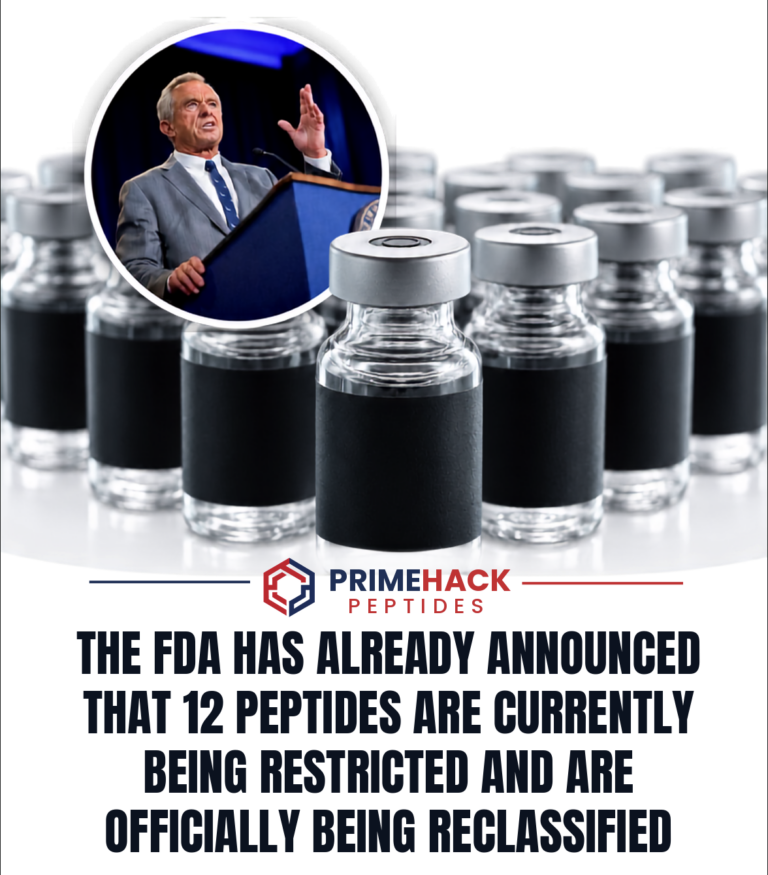
🚨 FDA Announces Major Changes in Peptide Regulation
Several peptides that were previously restricted are officially being reclassified, marking a new era for research and the biotechnology sector. Stay informed on the latest updates and discover what this regulatory transition means.
🔗 Learn more here
https://www.biopharmadive.com/news/fda-peptides-rfk-advisory-committee-restrictions/817685/
https://www.forbes.com/health/weight-loss/fda-ease-peptide-restrictions-lmandp5/
https://www.sciencedirect.com/science/article/abs/pii/S0090429504012725
Tesamorelin: Science and Metabolic Research
Tesamorelin is a synthetic growth hormone-releasing hormone (GHRH) analog engineered to stimulate the physiological secretion of endogenous growth hormone. Scientific evidence has demonstrated its ability to reduce visceral adipose tissue, improve body composition, and support liver health in targeted populations—making it one of the most thoroughly researched peptide therapies in modern metabolic science.
At PrimeHack Peptides, we are committed to evidence-based education and delivering clear, responsible insights into peptide technology.
Explore the scientific research behind Tesamorelin here:
https://www.sciencedirect.com/science/article/abs/pii/S1096637414001208
Need help? Our team is just a message away